Traveling the World While Working #7 Egypt and Jordan
Since our founding in 1999, we have been committed to enabling each and every one of our employees to reach their full potential without being restricted by location, time, or living environment.
Together with our employees, we have realized a variety of work styles, including full-flexibility, full-remote work, support for balancing work with childcare and nursing care, and, in recent years, nomadic work both in Japan and overseas. By enabling employees to fulfill both their work and personal lives, we are contributing to the improvement of productivity and quality of work throughout the organization.
In this series of articles, we will report on how our employees are exploring and practicing their own unique work styles.
Introduction
Hello, my name is Sakamoto, a global consultant with eLife Singapore office. I have been working nomadically since 2023, which is my long-cherished dream. I visit two to three countries a month to experience life and work in those places.
In this blog, I will be writing a series of articles on how to balance work and private life, the cultures of the countries I have visited, and my interactions with the local people through my experiences of nomadic work abroad.
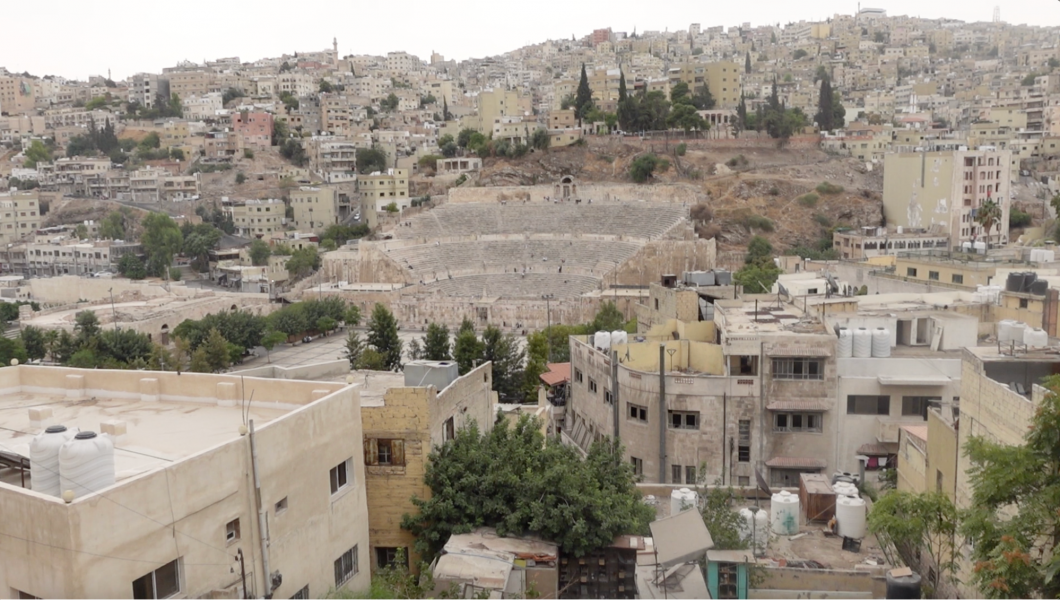
In this seventh issue, I will introduce my experiences of nomadic work in Cairo, the capital of the Arab Republic of Egypt, and Amman, the capital of the Hashemite Kingdom of Jordan, including how to secure a communication environment, how to manage time, and how to meet people locally.
Stay and work environment in Cairo, Egypt
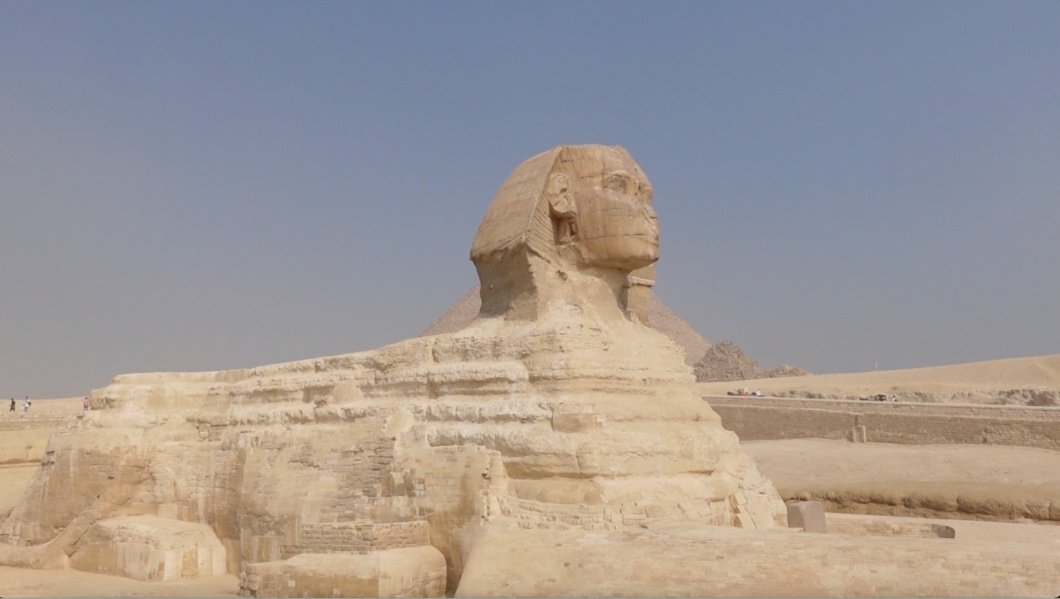
Egypt is one of the largest economies in Africa, with tourism and Suez Canal tolls being important sources of foreign currency income.
The capital city of Cairo is densely populated, and from the perspective of remote work, the Internet environment is unstable in many areas. The hotel where I stayed this time was described by word of mouth as having a "good Wi-Fi environment," but in reality the communication was unstable. Therefore, I used a nearby luxury hotel and a café as my workspace to ensure that my work was not disrupted.
In addition to relying on word-of-mouth, "backup preparation" is essential for successful remote work, to ensure that multiple work locations are available in advance. I always prepare both an eSIM and a physical SIM so that I can flexibly respond to local communication problems. In order to maintain the quality of work within a limited time frame, it is extremely important to determine "what to invest in".
Memorable encounters in Cairo
I visited Manshiyat Naser in downtown Cairo. This area is also known as "Garbage City" and is mainly inhabited by Copts (Christians). About 90% of Egypt's population is Muslim, but Copts, who make up about 10% of the population, have played an important role in waste management in this area, including garbage collection and sorting.
In this region, where religious and economic circumstances are intricately intertwined, I was exposed to a way of life and sense of values that are different from those of the general Cairo cityscape.
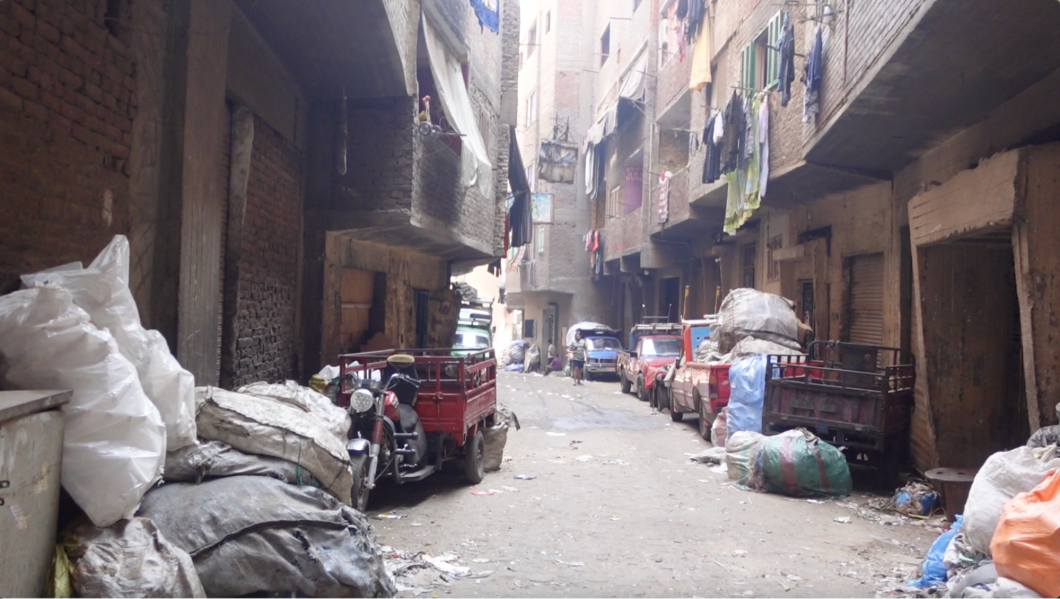
Garbage collection vehicles line the alleys of Manshiyat Naser.
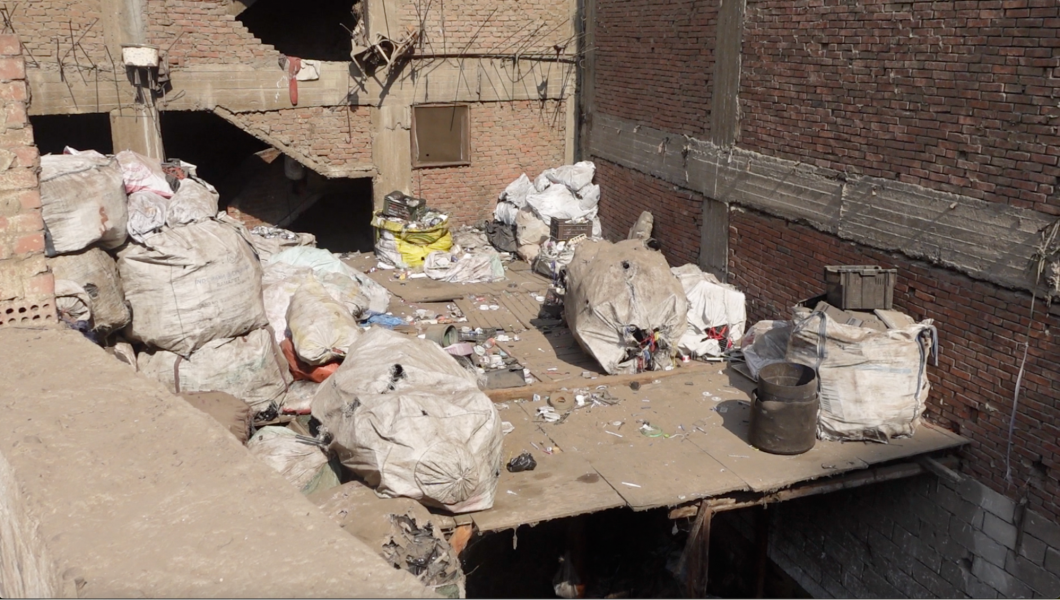
Waste disposal sites where Copts are responsible for waste disposal. In Manshiyat Naser, these spaces are scattered throughout the city and have become a central hub for recycling.
Even in this area known as the "garbage city," there was a quiet place where people gathered. In this church built in a cave, I was able to experience the local faith and warmth of the people.
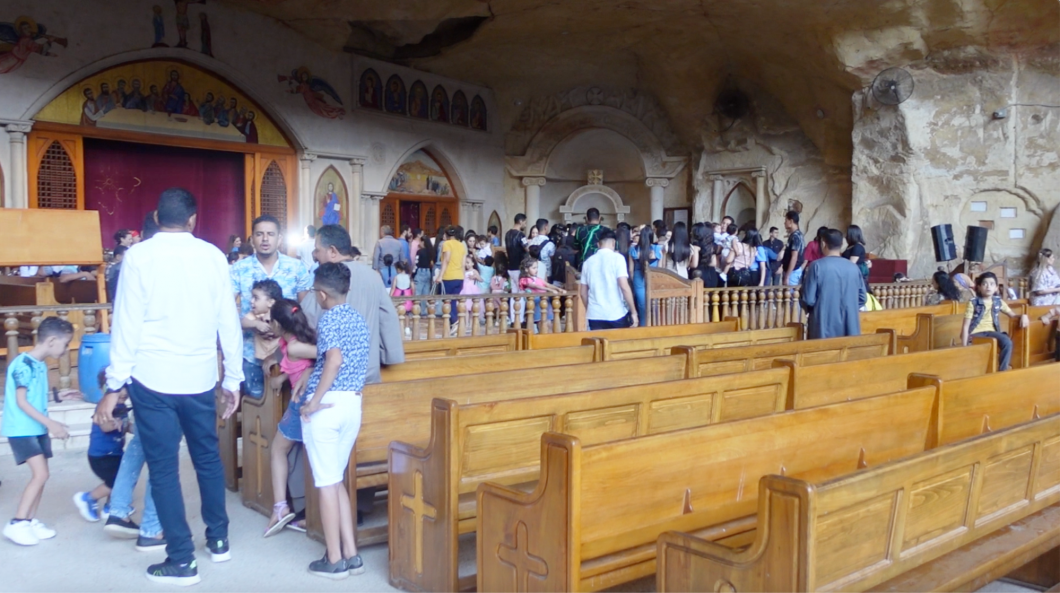
The church was filled with the laughter of children and a sense that faith was a part of their lives.
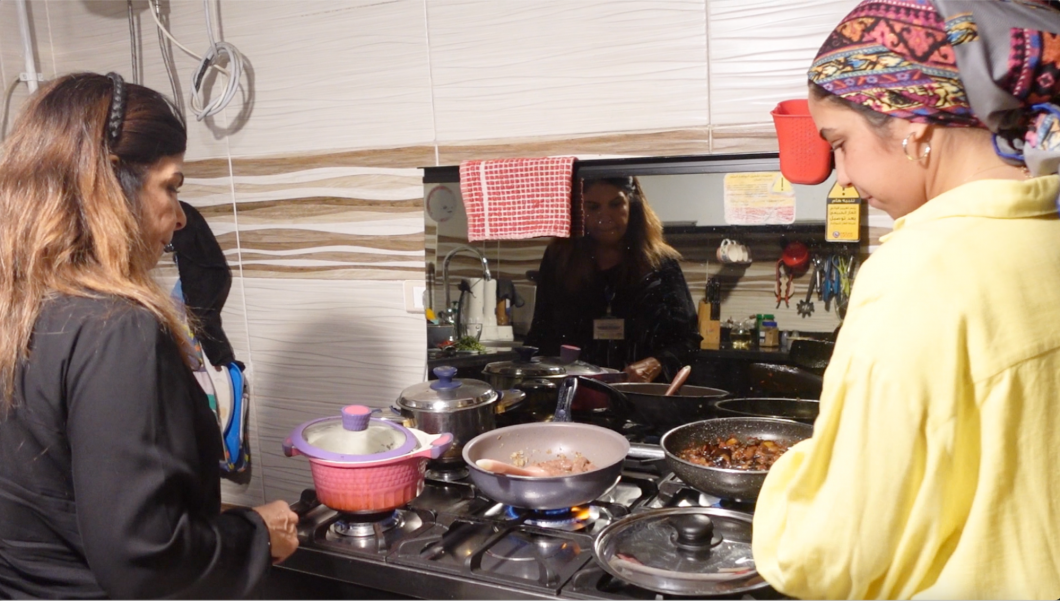
I met a local woman on the street, became friends with her, and was invited to her home, where I had the unexpected experience of being treated to a traditional local dish.
The dishes were all warm and tender, with names that were new to me, such as "turmeya" (bean croquettes), "murkhiya" (molokheiya soup), and "aesh" (Egyptian bread). These encounters may be a "reward" that can only come from working in a travel destination.
Nomadic Experience in Amman, Jordan
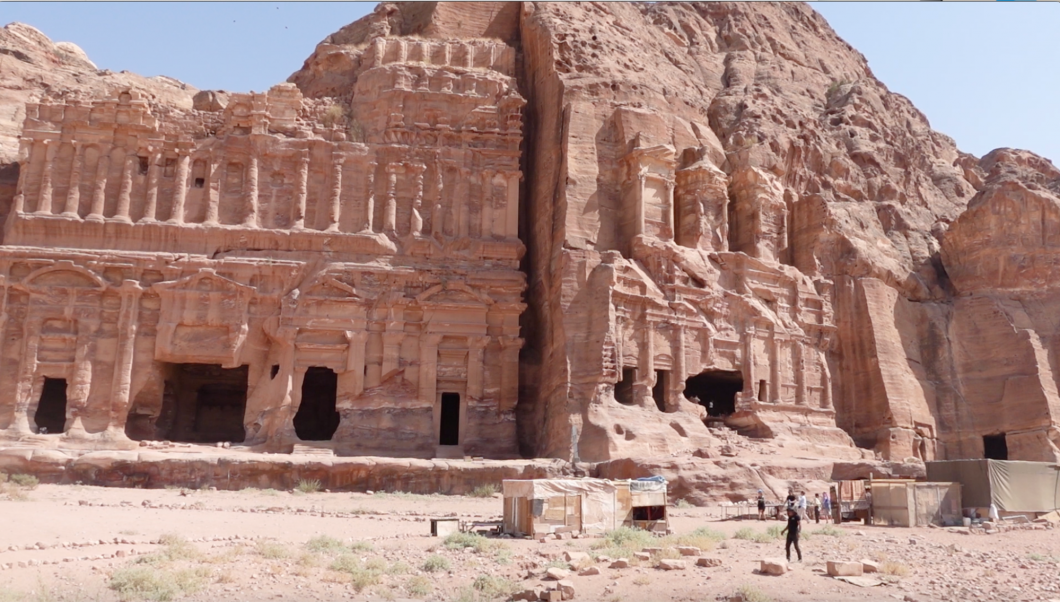
The ruins of Petra, an ancient rock-cut city built by the Nabataeans in BC. Today, it is one of Jordan's representative World Heritage sites.
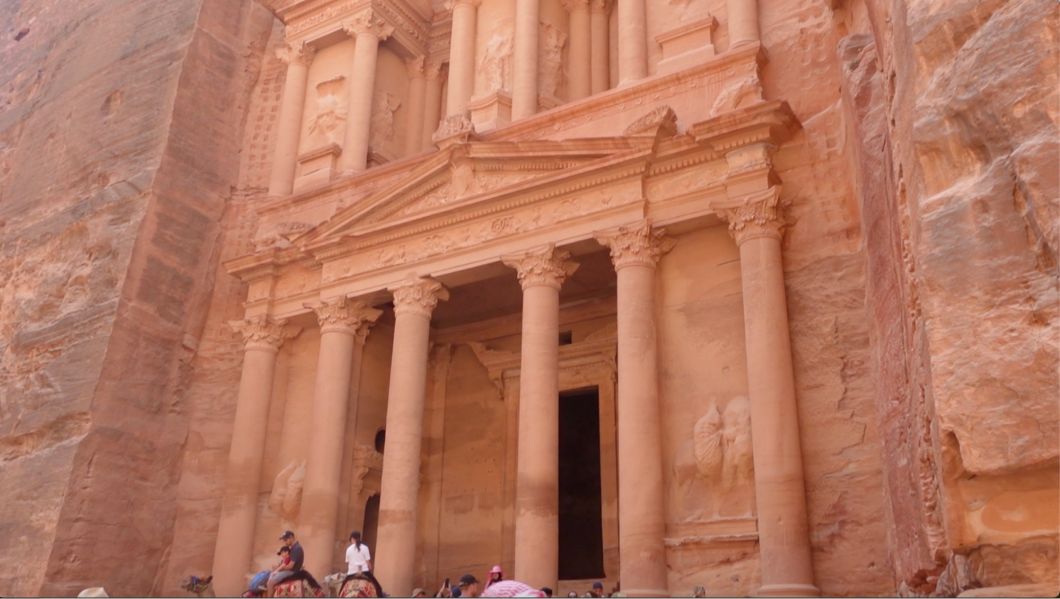
El Hazne, the most famous structure at the Petra Ruins. Its rock-cut facade is decorated with elaborate carvings.
Jordan is famous for the World Heritage Site of Petra, but what was particularly memorable for me was my experience in a Palestinian refugee camp. At first glance, the camp area looks like a normal town, but in reality, there were living conditions that were different from other areas, such as inadequate water facilities and garbage problems.
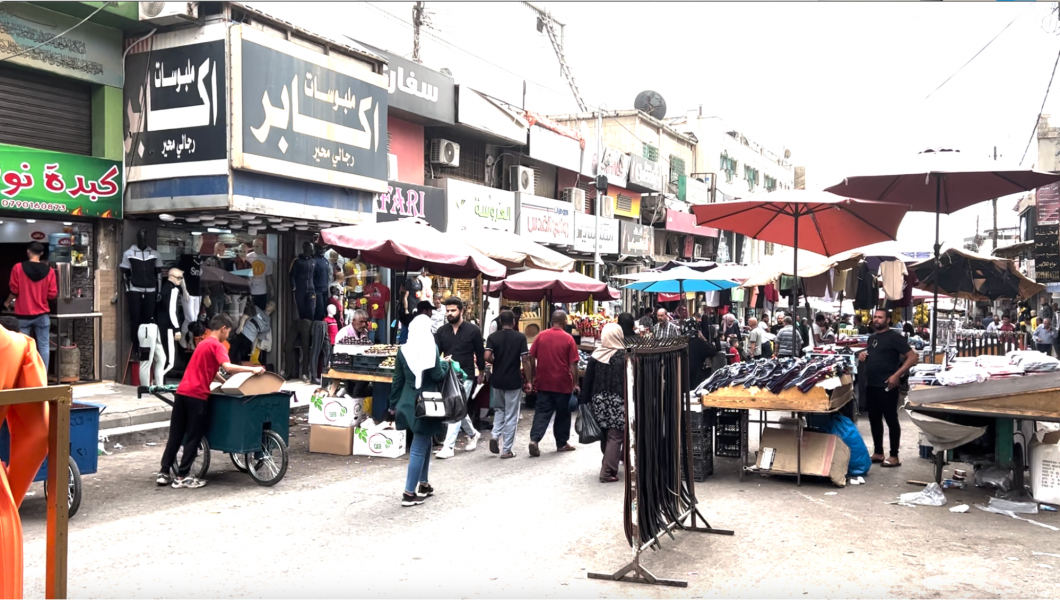
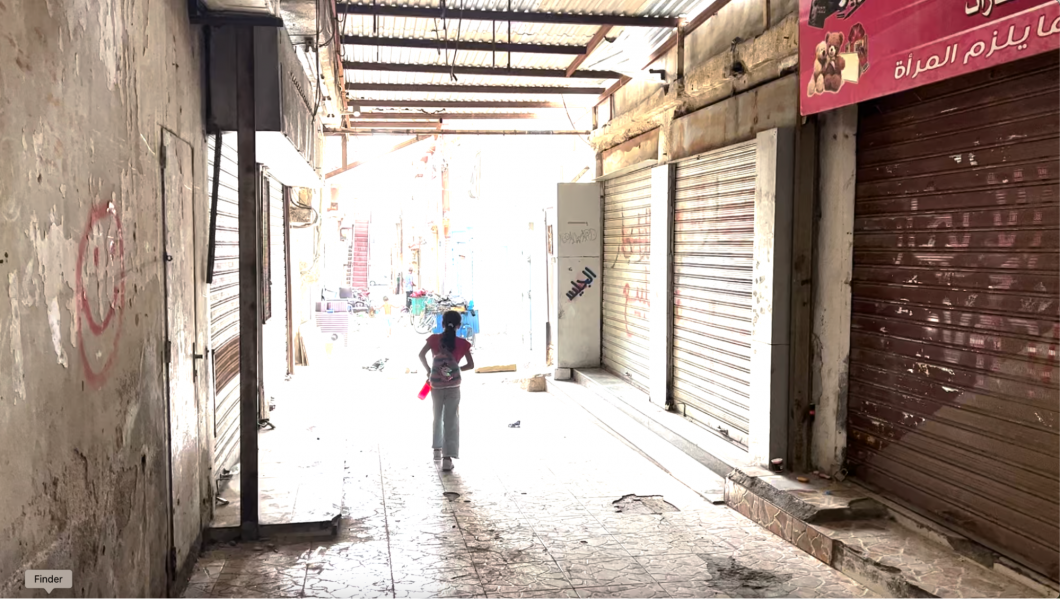
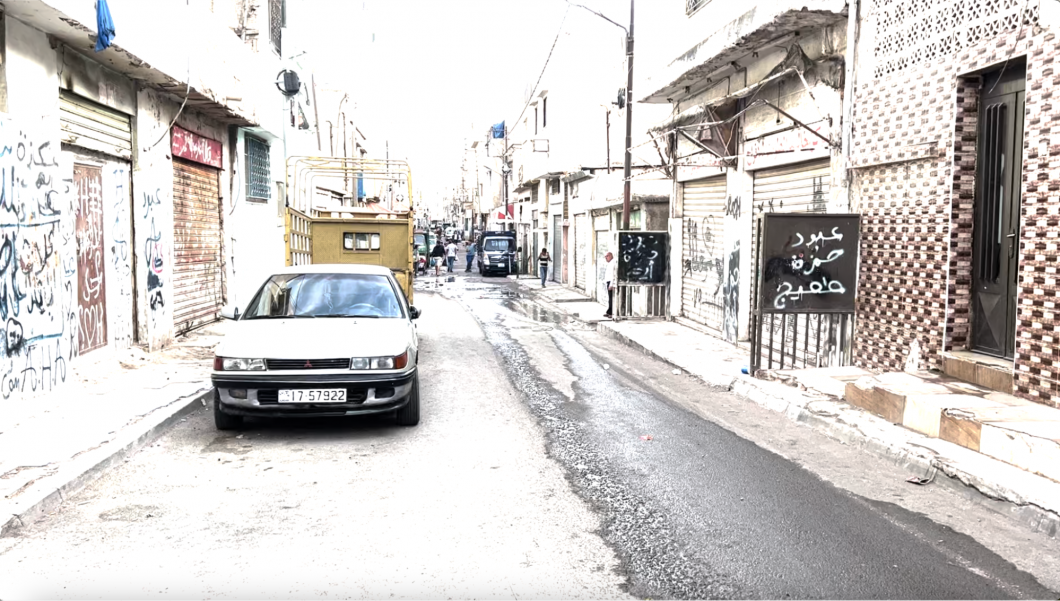
Although I was not allowed to take pictures, I was guided by local Palestinians and was able to see their lives up close. The more I walked around the place, which at first glance looked like a normal town, the more I saw the inadequate infrastructure and the inconvenience of daily life. Despite this, the people were very warm and kind.
We talked while smoking Shisha (Hookah) together, and watched a live soccer game over dinner. Although it was only for a few hours, it was a precious experience to experience the warmth of the people, which was quite different from what I had imagined a "refugee camp" to be like.
The "Devices of Work" as a Nomadic Worker
While enjoying life and experiences in the countries I visited, it is an important and natural mission to devise and balance my daily work as a nomadic worker. I would like to share with you some of the secrets I found particularly useful during my stay.
[1]The Internet environment is a lifeline. Do your research in advance and make sure you have multiple options.
In Egypt and Jordan, the telecommunications infrastructure throughout the country may not be as well developed as in Japan. That is why it is essential to prepare in advance, including "alternative means".
- Check the internet environment of the accommodation in advance by word of mouth.
- Check for cafés with Wi-Fi and luxury hotels nearby in case of emergency.
- Having both an eSIM and a physical SIM allows for flexibility in the field
The communication environment is a top priority for remote work. By being well prepared, you can calmly respond to any problems that may arise.
[2] Work at a time when you can concentrate.
Frankly speaking, I feel that nomadic work is difficult unless you are the type of person who can work anywhere. For those who cannot concentrate in a noisy environment, it can be quite a hurdle.
I myself do not force myself to proceed with work when I am losing concentration, but try to deal with it by changing the time and place. For example, if I cannot concentrate during the daytime, I may go sightseeing to switch my mood, and then proceed with work during the quieter evening hours.
However, even with this flexible scheduling, it is a prerequisite that I am always prepared to respond to emergencies. Even when I go out for lunch or sightseeing, I make sure to carry my laptop, charger, and mobile Wi-Fi.
[3]Balance between "planning" and "flexibility" is important in time management.
Since I started the nomadic lifestyle, I have naturally stopped spending time "slacking off". I have a clear idea of what I need to do, and I feel that I have a better sense of balance in both work and sightseeing, and I am more conscious of the time I have in a day.
- Fill in the calendar with specific plans such as "finish this job at this time" or "enjoy sightseeing at this time".
- Time spent at the airport or in transit can be used for internal meetings, planning, document preparation, napping, etc.
- Flexible response to many time zone differences, such as meetings with Australia at 5:00 a.m. and with the U.S. at 10:00 p.m.
Summary|"Work anywhere" is based on preparation and flexibility.
My experiences in Egypt and Jordan provided me with good opportunities to rethink my working style as I confronted communication conditions and cultural differences. Nomadic work requires autonomy and flexibility in exchange for "freedom", but it also allows me to interact with people in new places and have experiences that I can only have at that moment. This style of work, where I can work from a single computer, is probably closer to my "ideal way of working".
I hope to continue to share my experiences of nomadic work in various countries around the world, and to convey the freedom that only eLife can offer.